
Operating System
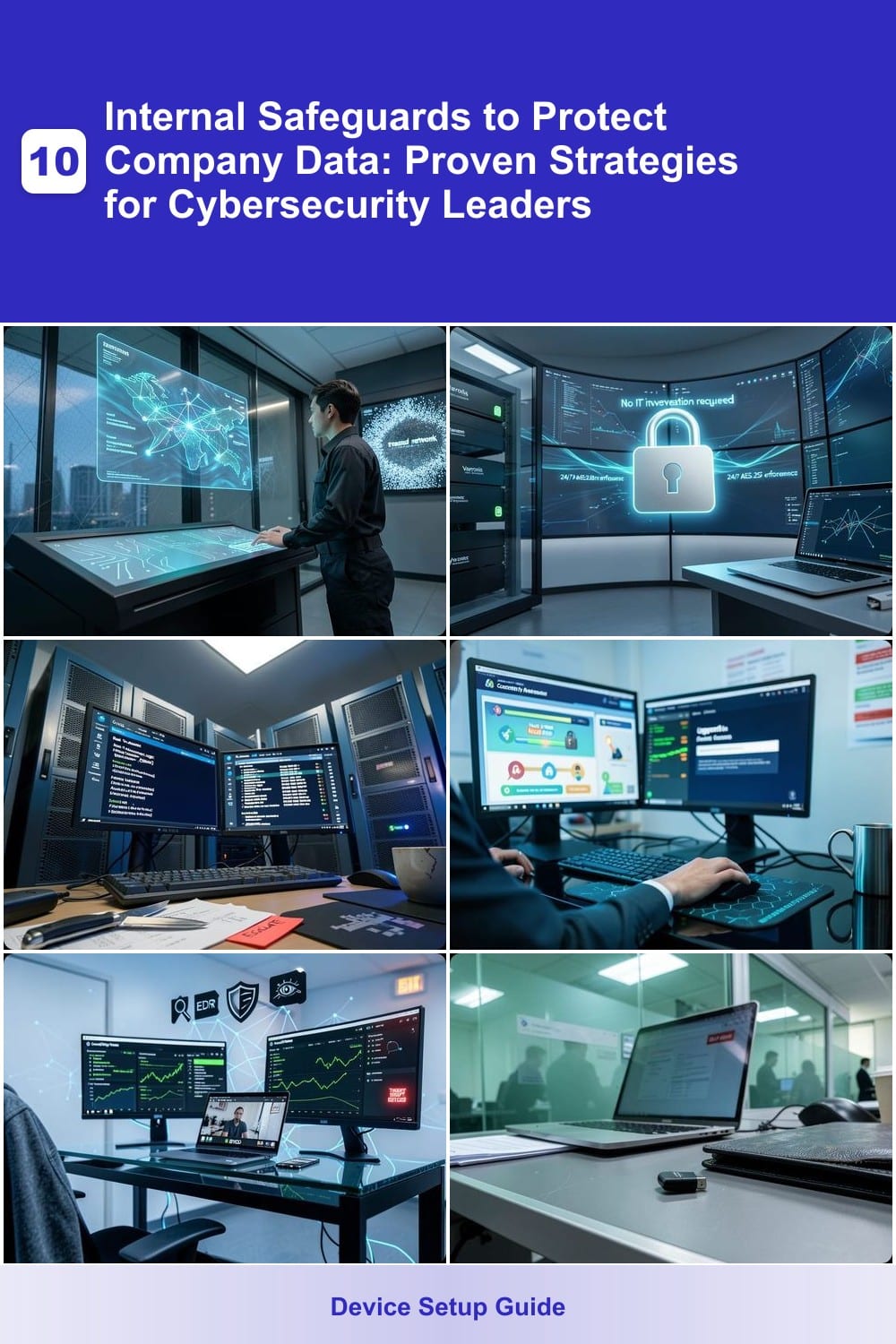
Cyber threats evolve daily, but internal safeguards remain your first line of defense. These 10 proven strategies empower cybersecurity leaders to build impenetrable data protection frameworks within their organizations, reducing breach risks by up to 90% when implemented correctly.
Zero Trust Network Architecture Implementation

Tired of relying on outdated perimeter defenses that assume "trusted" networks are safe? Zero Trust Architecture (ZTA) flips the script by demanding verification for every access request—whether from inside or outside your network.
With continuous authentication (not just logins), micro-segmentation to limit lateral movement, and device health checks, ZTA reduces breach risks by 90% for organizations handling PII, healthcare records, or government data. Solutions like Microsoft Azure AD Zero Trust or Palo Alto Prisma integrate seamlessly with existing infrastructure, while NIST SP 800-207 provides a framework for compliance-heavy industries.
This is your best bet if you work in finance, healthcare, or defense—where a single compromised device could expose an entire network. Start small with identity verification before expanding to full segmentation. ✨
Automated Data Encryption Policies Deployment

Tired of manual encryption keys and compliance headaches? Automated data encryption policies eliminate human error by enforcing AES-256 encryption for all data—whether stored or in transit—without requiring IT team intervention.
Solutions like Symantec Encryption or Varonis Data Encryption integrate seamlessly with existing systems, applying role-based access controls and automated key rotation to meet HIPAA, GDPR, and PCI DSS standards. They also log every encryption event for audit trails, reducing compliance workload by up to 60%.
This is a game-changer for healthcare providers handling patient records or financial firms processing transactions—where a single misconfigured file could trigger costly penalties. ✨
Privileged Access Management System

If your IT team resembles a Swiss Army knife—handling everything from server maintenance to vendor access—you need a system that treats admin credentials like classified documents. Privileged Access Management (PAM) systems like CyberArk or BeyondTrust give you real-time visibility into who’s accessing what, when, and why, while enforcing just-in-time permissions that expire automatically.
These solutions go beyond basic password policies by integrating session monitoring, behavioral analytics, and automated credential rotation—features that block lateral movement attacks before they start. For example, a financial services firm using PAM reduced credential-related breaches by 87% in six months by limiting admin access to only what’s needed for specific tasks. Third-party vendors get temporary, scoped access without permanent backdoors to your network.
This isn’t just for Fortune 500s—mid-sized enterprises with hybrid cloud environments or frequent contractor onboarding will see immediate ROI. The key is pairing PAM with least-privilege policies to turn your admin accounts from high-risk liabilities into fortified assets. 💪
Continuous Security Awareness Training Programs

Your employees might have the best intentions, but a single misclick on a phishing email can expose your entire network. Continuous Security Awareness Training Programs turn human error from a liability into a strength by making security second nature through gamified learning and real-world simulations.
Platforms like KnowBe4 or SANS Security Awareness deliver monthly phishing simulations that mimic actual attacks, while interactive modules teach best practices in password hygiene, recognizing social engineering tactics, and secure remote work habits. Studies show these programs can reduce human-caused breaches by up to 75%, making them one of the most cost-effective safeguards available.
This isn't just for Fortune 500s—any organization where employees handle sensitive data or work remotely will see immediate ROI. Start with a quarterly training cadence and track completion rates to build a culture where security awareness becomes instinctive. ✨
Endpoint Detection and Response Solutions

Traditional antivirus just isn’t enough anymore—especially when employees bring their own devices or work remotely. Endpoint Detection and Response (EDR) solutions like CrowdStrike Falcon or SentinelOne go beyond signature-based scanning to actively hunt for threats across all endpoints, using AI-driven behavioral analysis to catch zero-day exploits before they cause damage.
These tools provide real-time visibility into device activity, automated threat containment, and forensic investigation capabilities. Unlike traditional antivirus, EDR doesn’t just react—it proactively hunts for suspicious behavior, like lateral movement or data exfiltration, across Windows, macOS, and even Linux systems. Many solutions also integrate with SIEM platforms for centralized threat intelligence sharing.
Perfect for organizations with BYOD policies or distributed teams, EDR fills the gaps left by legacy security tools. Whether you're protecting laptops in a corporate office or remote devices in the field, EDR ensures threats are stopped before they spread. ✨
Data Loss Prevention Software Integration

One accidental email forward or misplaced USB drive could expose years of client data—Data Loss Prevention (DLP) software acts as your last line of defense against these silent threats. Unlike traditional security tools, DLP doesn’t just detect risks; it blocks unauthorized transfers in real time, whether through email, cloud storage, or physical devices.
Leading solutions like Symantec DLP or Forcepoint scan for PII (Personally Identifiable Information), financial records, or proprietary documents using AI-driven pattern recognition. They integrate with your existing email and file-sharing systems, enforcing policies like automatic encryption for sensitive files or quarantine suspicious activities before they escalate. For legal firms, this means HIPAA/GDPR compliance without manual audits.
This isn’t just for Fortune 500 companies—small law practices or fintech startups handling client data will see immediate ROI by preventing breaches that could cost $4.45M on average (IBM 2023 report). 💻
Multi-Factor Authentication Enforcement

Credential stuffing attacks are responsible for 60% of all data breaches—but enforcing multi-factor authentication (MFA) can block up to 99.9% of automated login attempts. Unlike static passwords, MFA combines something you know (password) with something you have (authenticator app) or are (biometrics), creating a near-impenetrable barrier for attackers.
Modern MFA solutions like Duo Security or Microsoft Authenticator integrate seamlessly with Active Directory and Okta, supporting push notifications, hardware tokens, and FIDO2 keys. These systems enforce time-based one-time passwords (TOTP) or biometric verification without disrupting workflows—critical for industries like healthcare and finance where HIPAA and PCI DSS compliance are non-negotiable.
Organizations storing customer PII or handling regulated data can’t afford to skip MFA—it’s the lowest-effort, highest-impact safeguard against credential theft. 💪
Regular Third-Party Risk Assessments

Your vendors might be your weakest link—yet most companies overlook their security posture until it’s too late. Third-party risk assessments uncover hidden vulnerabilities in your supply chain, from cloud providers to IT contractors, that attackers often exploit to bypass your defenses.
These assessments evaluate partners against NIST SP 800-160 or ISO 27001 standards, flagging gaps in encryption, access controls, or incident response. Automated tools like SecurityScorecard or BitSight can continuously monitor vendors’ security ratings, while penetration tests reveal real-world attack paths. The key is quarterly reviews—especially for high-risk partners handling customer data or payment systems.
Ideal for manufacturers relying on overseas factories, healthcare providers using third-party EHR systems, or financial firms outsourcing IT infrastructure, these assessments turn blind spots into actionable improvements. 💻
Automated Patch Management Systems
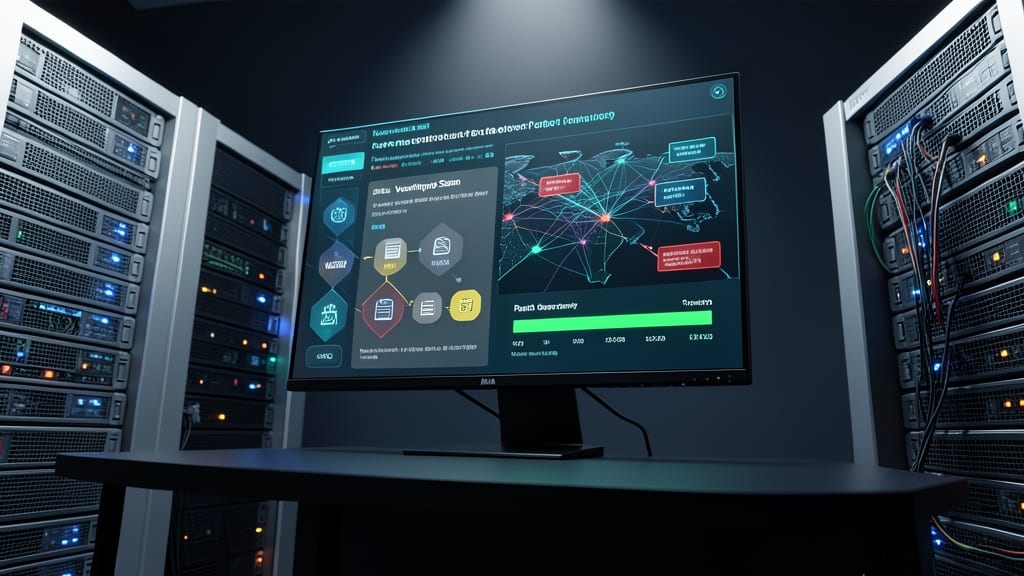
If outdated software is your biggest blind spot, automated patch management systems close that gap faster than manual updates ever could. These tools don’t just apply patches—they eliminate the human delay that turns known vulnerabilities into attack surfaces, often within hours of discovery.
Solutions like Tanium or Microsoft Endpoint Configuration Manager scan your entire network for outdated software, missing security updates, and even custom enterprise applications, then deploy fixes with zero downtime for critical systems. The best platforms integrate with SIEM tools to prioritize patches based on threat severity, ensuring legacy systems (like Windows Server 2008) get updates without disrupting operations. For organizations running custom COBOL or mainframe software, these systems often include custom patch scripting to bridge gaps where vendors no longer provide updates.
This is the safeguard legacy-heavy industries (manufacturing, finance) and highly regulated sectors (government, healthcare) can’t afford to skip—especially when 60% of breaches exploit unpatched flaws. 💪
Incident Response Playbook Development

When a breach hits, every second counts—and a well-structured incident response playbook turns chaos into control. Unlike reactive measures, this framework ensures your team acts with precision, reducing downtime by up to 60% while meeting strict regulatory timelines like GDPR or HIPAA.
Start with predefined roles and escalation paths, so your SOC team knows exactly who handles containment, communication, and forensics. Integrate real-time alerting from tools like Splunk or SIEMs to trigger automated playbook steps, and include post-incident reviews to refine responses. The key? Documenting step-by-step actions for common threats (e.g., ransomware, data exfiltration) so no one improvises under pressure.
This isn’t just for Fortune 500s—healthcare providers, fintech startups, and government contractors all rely on playbooks to survive breaches. The playbook that saves minutes today could save millions tomorrow. ✨