
Tip & Trick
Mastering keyboard shortcuts can transform your typing speed and efficiency. These 10 underused symbols starting with 'A'—often overlooked—are essential for coding, formatting, and everyday document work across Windows, macOS, and Linux.
At Sign (@) for Email Addresses

The @ sign isn’t just a symbol—it’s the digital backbone of how we identify ourselves online. From your first email address to your social media handles, this tiny character connects your name to your digital identity in seconds, making it one of the most universally recognized symbols in tech history.
On most keyboards, it’s a simple Shift + 2 combo (US layout), but its power lies in its purpose: separating usernames from domains (e.g., michael@email.com). Platforms like Twitter, LinkedIn, and even gaming usernames rely on it to create unique handles instantly. Fun fact: The @ symbol originated in the 1500s as a shorthand for "at the rate of" in commerce—now it’s the cornerstone of global communication.
Whether you’re setting up a new email, claiming a username, or troubleshooting login issues, mastering the @ sign means you’re always one keystroke away from professionalism. It’s the first symbol every tech user learns—and the one that keeps their digital life organized. ⚡
Angle Brackets (< >) for HTML and Coding
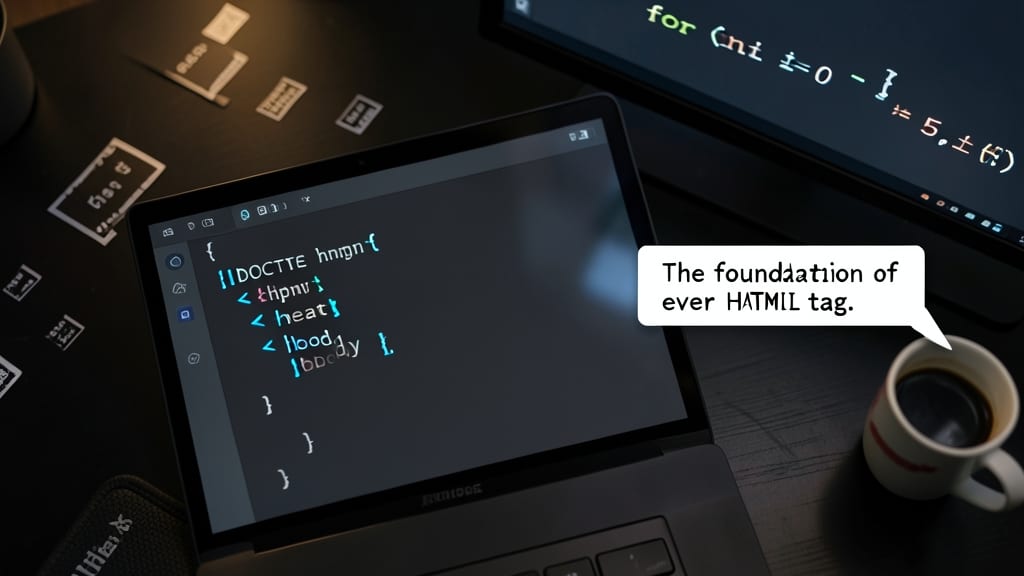
If you’ve ever stared at a blank code editor wondering how to structure your HTML or define a loop, angle brackets (< >) are your secret weapon. These unassuming symbols are the backbone of HTML tags, XML declarations, and even C-style programming syntax—without them, modern web development wouldn’t function.
In HTML, they wrap every tag (e.g., `
), while in JavaScript, they define arrays ([1, 2, 3]) and objects ({ key: value }`). For loop structures in languages like C++, they mark the start and end of templates (<T>) or generic types. Typing them fast isn’t just about speed—it’s about cleaner, more readable code. Pro tip: Use auto-complete in your IDE (like VS Code’s Emmet) to generate entire tags with just `
Web developers, backend engineers, and even data scientists (who use them in Jinja2 templates) rely on these daily. Master them, and you’ll write code like a pro in minutes. ⚡
Ampersand (&) in Legal and Technical Documents
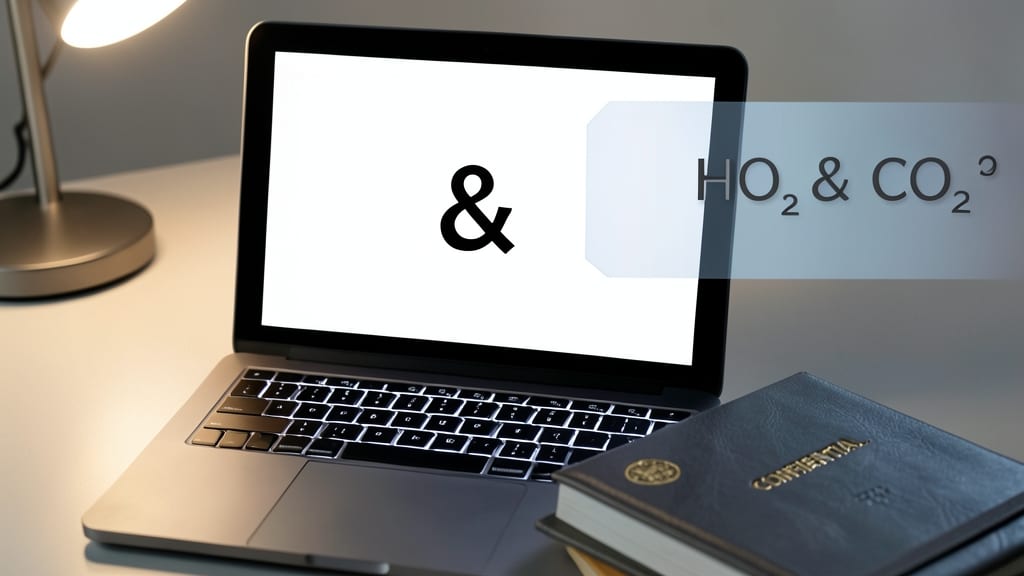
Ever struggled to type "and" repeatedly in a legal document or chemical formula? The ampersand (&) is your secret weapon—it combines words, elements, or conditions in a single keystroke, saving time and space.
In contracts, it replaces "and" (e.g., "John & Jane Doe" instead of "John and Jane Doe"). In chemistry, it links compound names (e.g., NaCl for sodium chloride). Programmers use it in logical operators (e.g., if (x > 0 && y < 10)) to chain conditions. On most keyboards, hold Shift + 7 to type it instantly.
Perfect for lawyers drafting clauses, scientists writing formulas, or developers optimizing code—this tiny symbol packs a big punch in precision work. 💪
Asterisk (*) for Multiplication and Bullets

The asterisk () isn’t just for marking important notes—it’s a powerhouse for both math and formatting. Whether you're crunching numbers in a spreadsheet or drafting a presentation, this tiny symbol packs a double punch.
In calculations, it’s the standard operator for multiplication (e.g., 5 3 = 15), saving you from typing "x" or "×" every time. Meanwhile, in documents, it instantly creates bulleted lists with Ctrl+Shift+8 (Windows) or Option+8 (Mac), cutting formatting time in half. Pro tip: Use Shift+6 to toggle it on/off in Word or Google Docs.
Perfect for students, data analysts, and presenters who juggle equations and slide decks—this is the shortcut that keeps your workflow smooth and your fingers flying. ✨
Accented Letters (á, é, ñ) for International Text
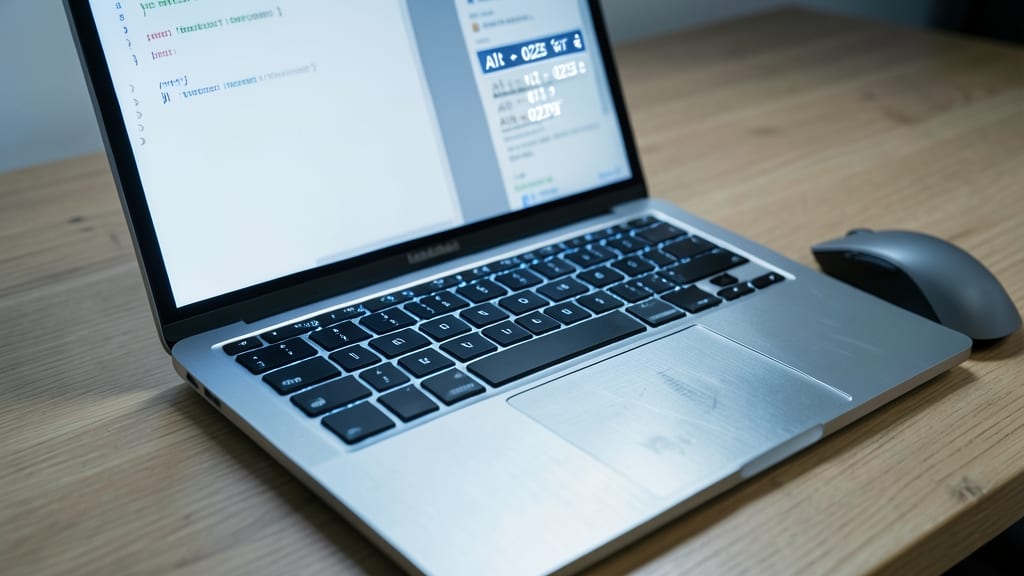
Struggling to type á, é, or ñ without hunting for a character map? These accents are the backbone of Spanish, French, and countless other languages—but you don’t need to memorize codes. With just Shift + Alt/Option + key combos, you can type them instantly.
On Windows, hold Alt + 0225 for á, Alt + 0233 for é, or Alt + 0241 for ñ. On Mac, use Option + E + A for á or Option + E + N for ñ. For French, Option + E + I gives you î, while Option + E + A becomes à. These shortcuts work across browsers, documents, and even social media—no extra tools needed.
Perfect for students, writers, or professionals working in multilingual fields. Save time and avoid typos—your Spanish essay or French email will thank you. ✨
Arrow Symbols (→, ←, ↑, ↓) for Directions
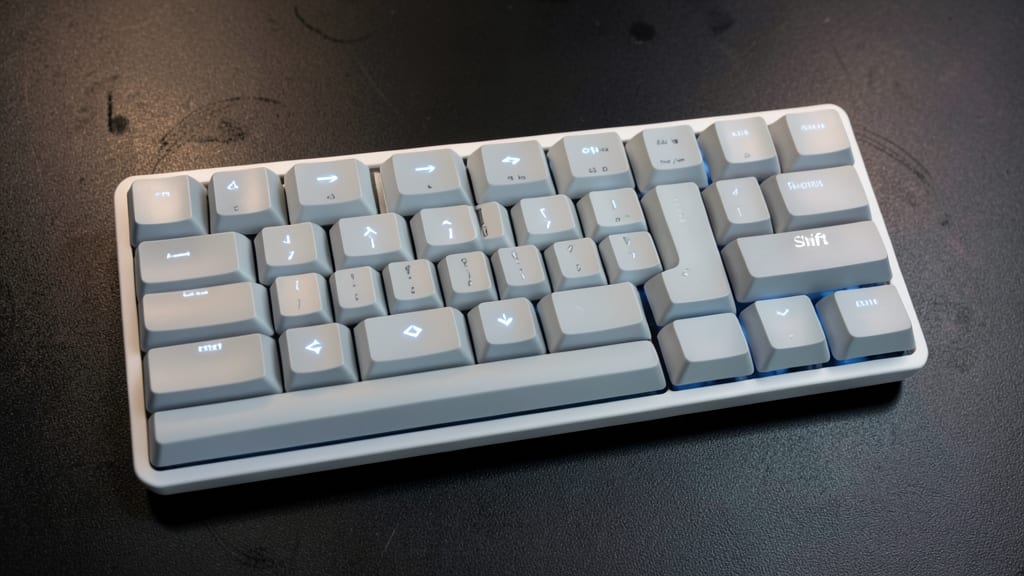
Tired of explaining directions with words when a simple arrow would do? The arrow symbols (→, ←, ↑, ↓) are your secret weapon for flowcharts, user manuals, and even casual notes—replacing phrases like "click here" or "scroll down" with instant visual clarity.
On most keyboards, press Shift + . (period) for →, Shift + , (comma) for ←, and Shift + 8 for ↑/↓ (depending on layout). These symbols work universally in Microsoft Office, Google Docs, and coding comments, making instructions cleaner and more intuitive. For example, a flowchart for "Install Software" becomes instantly clearer with → arrows guiding the user through steps.
Perfect for tech writers, educators, or anyone creating step-by-step guides—these arrows save time and reduce confusion. Try them in your next manual and watch clarity soar! ✨
Section Symbol (§) for Legal and Academic Use
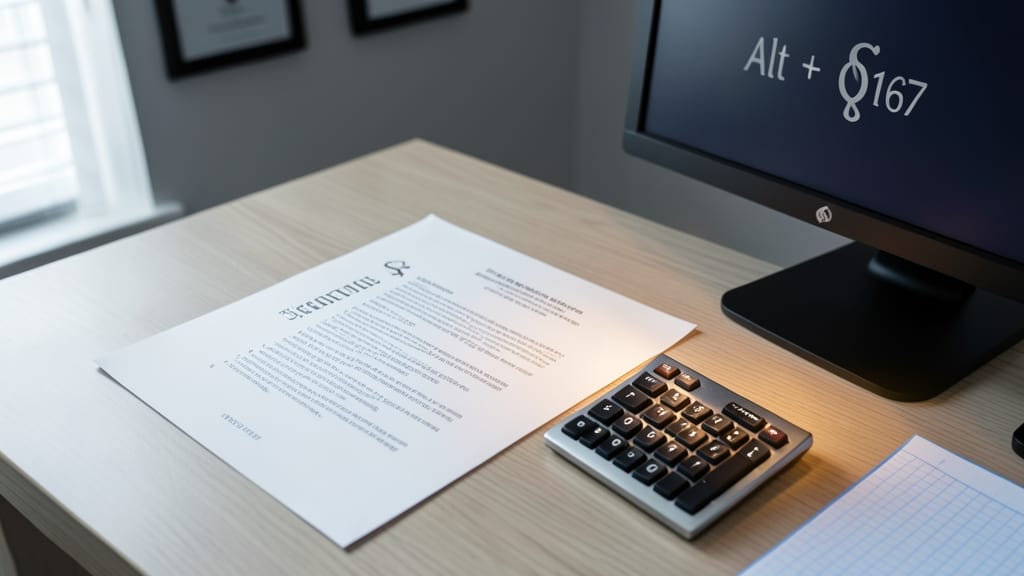
Need to divide sections in a legal contract or academic paper without breaking the flow? The section symbol (§) is your secret weapon—it’s the gold standard for formal documents, instantly signaling structure without extra formatting.
Typing it is easy: On Windows, press Alt + 0167 (numeric keypad), or use Shift + 6 on most international keyboards. In legal drafting, it’s used to reference clauses like §2.3, while academics rely on it for clear subheadings. The symbol’s formal tone elevates any document’s professionalism.
Perfect for lawyers, researchers, and students—anyone who needs to maintain precision in writing. Master this one, and you’ll type like a pro. ✨
Alpha Symbol (α) for Math and Science
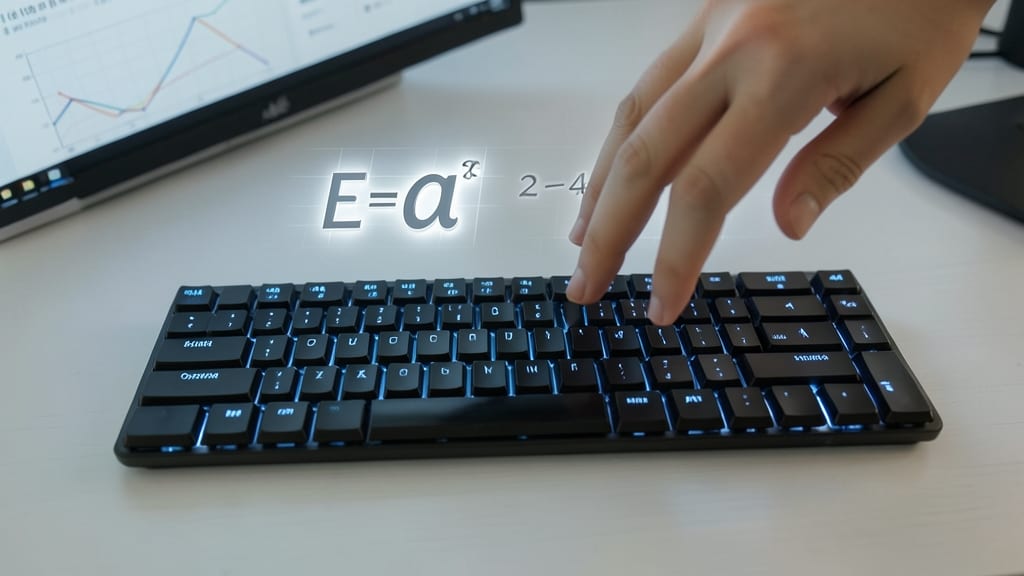
Need to type α (alpha) for physics equations or statistical notation? Forget hunting through character maps—this Greek letter shortcut is your new best friend for technical writing.
On most keyboards, press Alt + 224 (Windows) or Option + Shift + A (Mac) to insert α instantly. It’s the go-to symbol for variables in calculus, significance levels in stats, and engineering formulas—no manual copy-pasting required. Pro tip: Use Ctrl + Shift + U (Windows/Linux) or Option + U (Mac) to type α by entering its Unicode code 03B1.
Perfect for students, engineers, and data scientists who draft equations daily. Save time and avoid typos in your next research paper or coding project. ✨
Apostrophe (’) for Contractions and Possessives
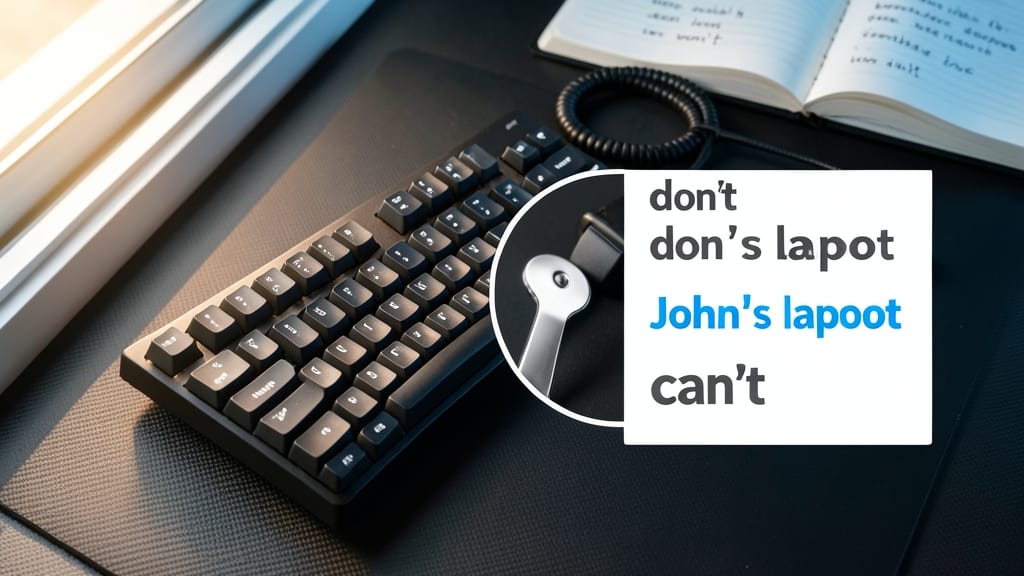
Tired of typing out "do not" every time? The apostrophe (’) is your secret weapon for creating contractions like "don’t," "can’t," or "won’t" in seconds. It’s also the key to showing ownership—just think "John’s laptop" instead of "the laptop of John." This tiny symbol saves time and space in everything from casual texts to formal documents.
On most keyboards, you’ll find it shifted with the comma key (,) or shifted with the period key (.) on US layouts. For smartphones, it’s often hidden under the 123 key or in the symbols menu. Mastering this symbol means fewer keystrokes and cleaner, more professional writing—whether you’re drafting an email, coding comments, or jotting down quick notes.
Perfect for writers, students, and professionals, the apostrophe keeps your text tight and readable. Next time you’re typing fast, reach for this underrated shortcut instead of typing out the full phrase. ✨
Alt Code Shortcuts for Hidden Symbols
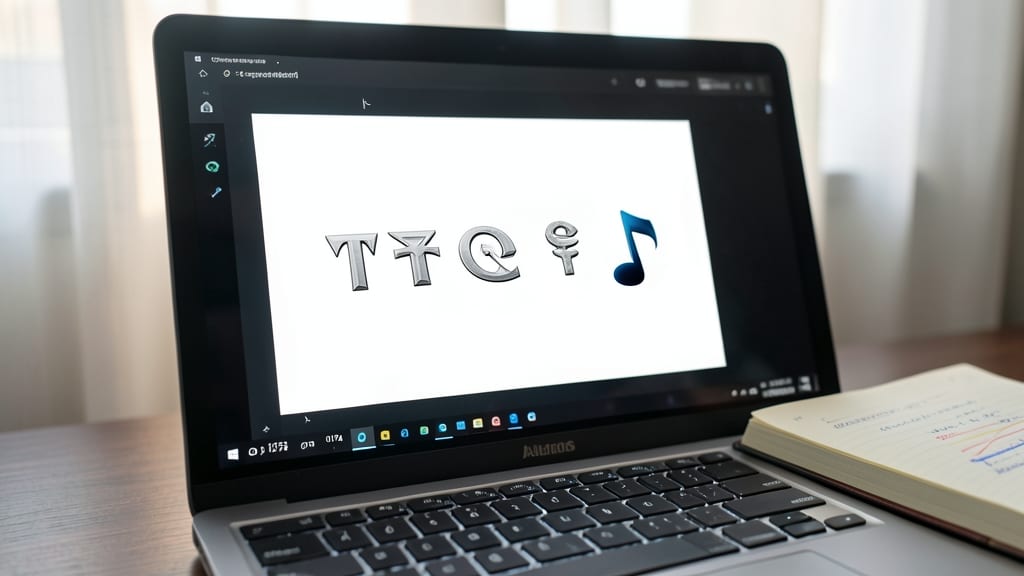
Tired of hunting through character maps for symbols like ™ or ®? Alt codes let you type hundreds of special characters instantly—no copy-pasting or font menus required. This Windows shortcut (hold Alt, type a numeric code, release) unlocks everything from currency signs (¢) to musical notes (♫) in seconds.
For example, Alt + 0174 gives you the registered symbol ®, while Alt + 8482 produces the trademark ™. These codes work in Word, Excel, and even web forms, making them perfect for branding docs or technical manuals. Pro tip: Use the numeric keypad—typing on the top row won’t work. Bookmark a list of your top codes for faster access.
Graphic designers, marketers, and engineers will love this trick for adding professional flair without leaving their keyboard. ⚡