
Coding
SQL Server 2012 introduced groundbreaking features that transformed database management. These 10 innovations redefined performance, security, and usability for developers and administrators alike—here’s why they still matter today.
Columnstore Indexes for Massive Data Compression

Struggling with slow analytics queries on massive datasets? Columnstore indexes in SQL Server 2012 could be your game-changer. This feature introduced a radical shift from traditional row-based storage, storing data in columns instead of rows to unlock unprecedented compression and performance gains.
With columnstore indexes, you can achieve up to 10x data compression while slashing query times for analytical workloads. The batch mode processing engine scans compressed data in parallel, delivering 10-100x faster aggregations and scans compared to rowstore indexes. Perfect for data warehousing and big data scenarios, it handles petabytes of data efficiently without sacrificing performance.
Data analysts and BI professionals will love this feature for its ability to handle complex queries on large datasets effortlessly. It’s the ideal solution for transforming your analytical workloads into high-performance operations. ✨
Contained Databases for Simplified Deployment

Frustrated by needing admin rights just to test a database? SQL Server 2012’s contained databases solved that with a game-changing approach—packaging everything needed to run independently, from schemas to logins, into a single self-sufficient unit.
This feature eliminated dependencies on the master database and system databases, letting you deploy, back up, or restore databases without server-level permissions. The contained database setting (via ALTER DATABASE) even supports contained user accounts, isolating credentials within the database itself for enhanced security.
Perfect for developers, testers, and DevOps teams, this feature streamlined local deployments and simplified multi-tenant environments. No more waiting for admin access—just deploy and go. ✨
AlwaysOn Availability Groups for High Availability
Mission-critical applications demand uptime you can’t afford to gamble on—and AlwaysOn Availability Groups in SQL Server 2012 delivered exactly that. Unlike traditional failover clustering, this feature introduced synchronous data replication across multiple servers, ensuring zero data loss even during hardware failures or planned maintenance.
With support for up to 8 secondary replicas, you can distribute read workloads while maintaining a single primary database for writes. The automatic failover capability (when paired with Windows Failover Clustering) ensures applications stay online, with failover times measured in seconds—not minutes. This made it a game-changer for enterprises running e-commerce platforms, banking systems, or any application where downtime translates to lost revenue.
Perfect for IT teams managing enterprise-scale deployments, AlwaysOn Availability Groups eliminated the need for manual failover scripts or complex DR planning. If your applications can’t tolerate even a moment of unavailability, this was the feature that made SQL Server 2012 a viable choice for the most demanding environments. ✨
Window Functions for Advanced Analytics

If you’ve ever struggled with self-joins or complex ranking logic in SQL, window functions in SQL Server 2012 are your game-changer. They let you perform calculations across sets of rows—like running totals, moving averages, or percentile rankings—without duplicating data or joining tables.
With functions like ROW_NUMBER(), RANK(), and OVER(), you can now handle tasks that once required nested subqueries or temporary tables. For example, calculating a month-to-date sales trend or identifying top performers by department becomes as simple as adding a single line to your query. The syntax is intuitive: OVER(PARTITION BY category ORDER BY sales DESC) instantly gives you ranked results.
This feature is a must for financial analysts, BI developers, and reporting teams—anyone who needs to slice data dynamically without sacrificing performance. ⚡
SQL Server Data Tools (SSDT) Integration
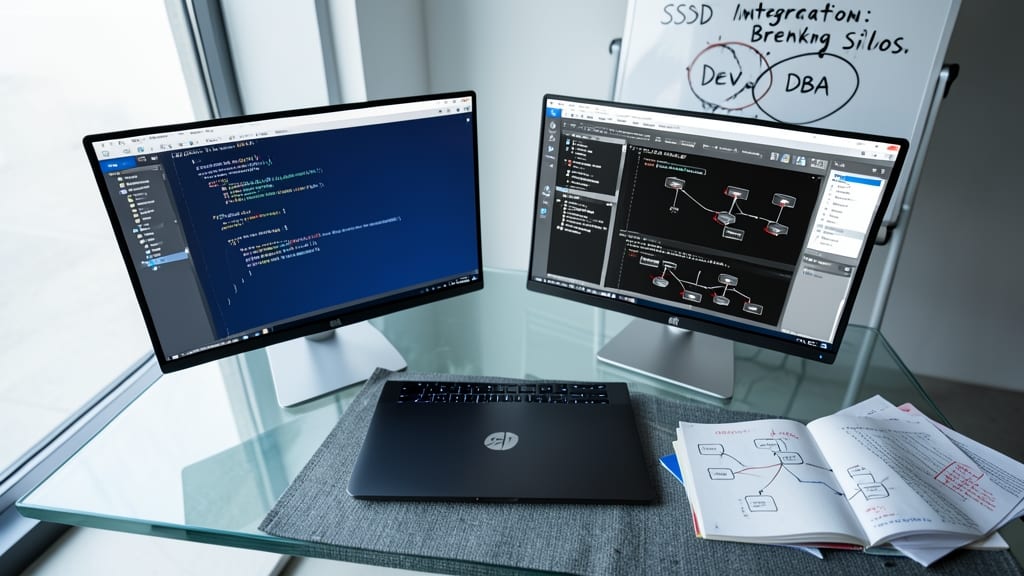
Tired of developers and DBAs working in silos? SQL Server Data Tools (SSDT) Integration in SQL Server 2012 finally brought them together by embedding database development directly into Visual Studio 2012. This wasn’t just another plugin—it was a full-fledged bridge that let teams collaborate using familiar IDE tools like source control, debugging, and schema comparisons.
The integration included schema compare and data generation tools, letting you sync database changes across environments with a single click. You could debug stored procedures line-by-line using the Visual Studio debugger, and even build CI/CD pipelines for database deployments—something that required manual scripts before. The project-based workflow also made it easier to version-control database changes alongside application code.
This feature was a game-changer for DevOps teams and enterprises adopting Agile methodologies. Developers gained the power to test database changes locally, while DBAs could enforce standards through centralized build processes. 💻
FileTable for Hybrid File and Database Storage
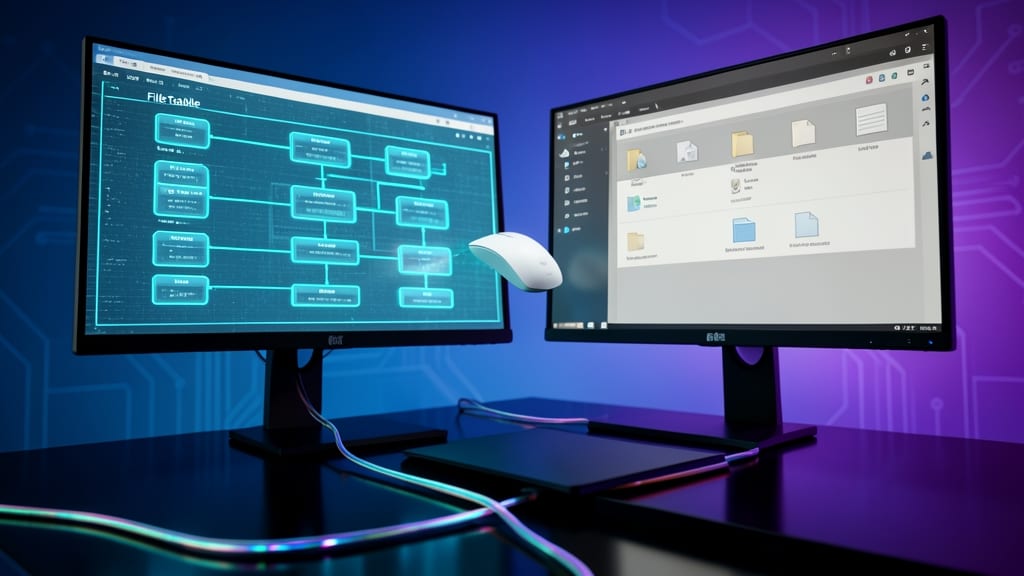
Tired of juggling file systems and databases like separate beasts? SQL Server 2012’s FileTable merges them into a single, seamless interface—no ETL pipelines required. This hybrid storage solution lets you query files as rows, metadata as columns, and even nest folders like database hierarchies, all while leveraging NTFS permissions.
With FileTable, you gain full-text search capabilities on file contents, versioning for documents, and ACL inheritance from the underlying file system. The best part? Your application interacts with files through standard T-SQL, eliminating the need for custom file system APIs or manual synchronization. Ideal for document management systems where metadata and content need equal treatment.
Perfect for legal firms, media archives, or any system where files are as critical as relational data. ⚡
Sequence Objects for Number Generation

Tired of identity columns limiting your ID generation? SQL Server 2012’s sequence objects finally gave you the flexibility to handle complex numbering schemes across multiple tables—no more workarounds.
With custom increments (even negative values) and multiple tables sharing a sequence, you can now generate IDs like ORDERID (starting at 10000, incrementing by 5) or USERID (starting at 1000000, incrementing by 1) in a single object. The cycle option even lets sequences restart after reaching a limit, perfect for batch processing.
Enterprise apps with distributed systems or multi-tenant architectures benefit most—finally, a clean way to handle IDs without manual scripting or triggers. ✨
Contained User Accounts for Security Isolation

Tired of managing user permissions across multiple servers? Contained User Accounts in SQL Server 2012 let you store credentials inside the database itself, eliminating the need for server-level logins and reducing attack surfaces.
This feature lets you create database-scoped users (like CREATE USER [app_user] WITH PASSWORD = 'secure123') that only exist within a single database. Perfect for multi-tenant SaaS applications, it simplifies deployments by removing dependencies on the master database or sysadmin privileges. Even better, you can encrypt credentials using Transparent Data Encryption (TDE) for an extra security layer.
Ideal for ISVs and cloud providers hosting shared environments, this feature cuts down on cross-database permission sprawl while keeping credentials isolated. 🔧
Power View for Interactive Data Visualization
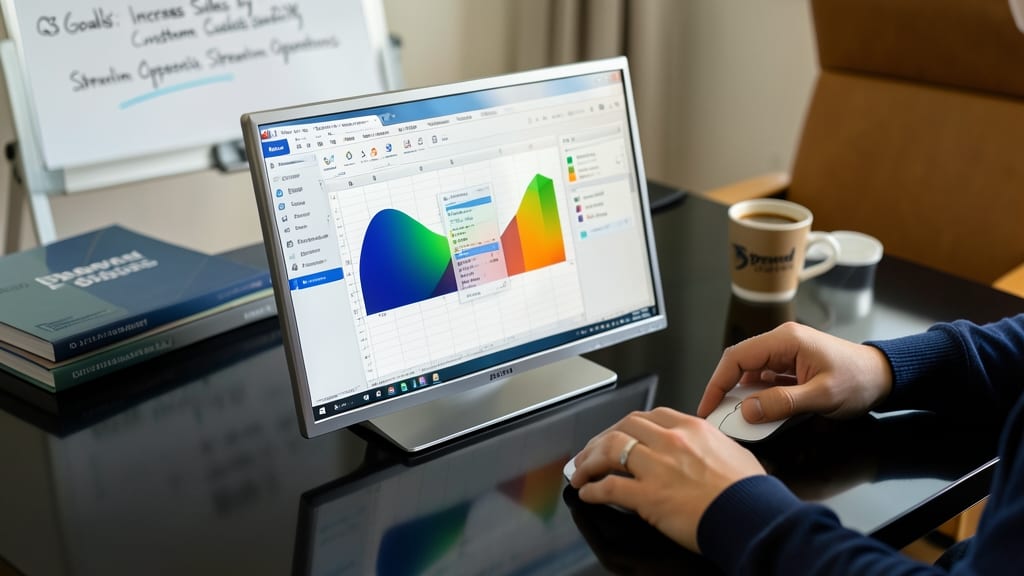
Tired of waiting for IT to build reports while your business decisions gather dust? Power View turned Excel into a self-service BI powerhouse, letting non-technical users create interactive dashboards with drag-and-drop simplicity—no SQL queries required.
This add-in for Excel 2013 (integrated with SQL Server 2012) brought 3D charts, maps, and slicers to life, pulling data directly from PowerPivot models or SQL Server Analysis Services. The real magic? Real-time filtering—click a chart segment to instantly update all connected visuals, making trend-spotting intuitive for sales teams, marketers, and executives alike.
Perfect for businesses drowning in spreadsheets but lacking dedicated BI teams, Power View slashed reporting cycles from weeks to hours. ⚡
Contained Backup and Restore for Portability
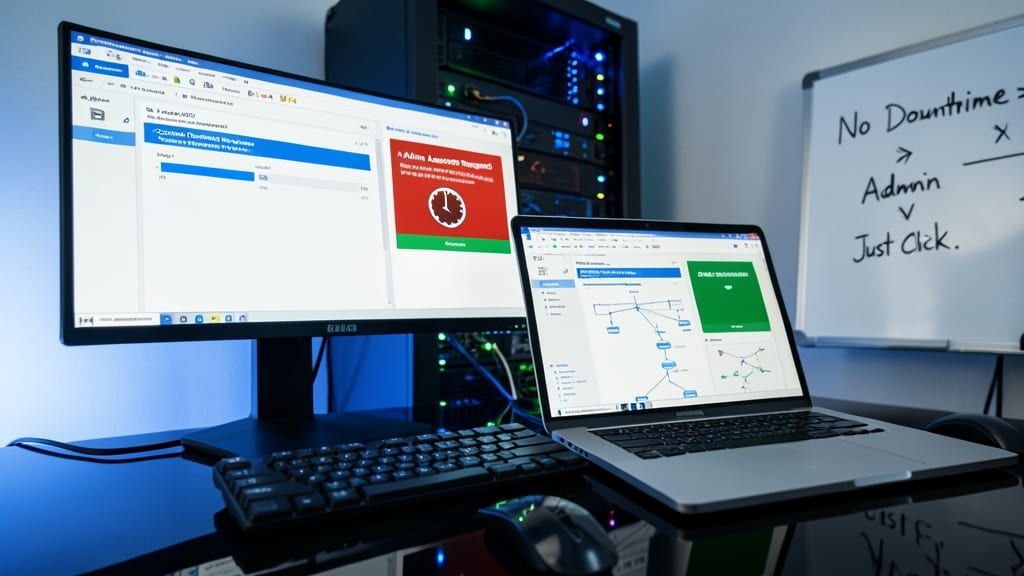
Migrating databases between environments used to require admin access and downtime—but SQL Server 2012’s contained backup and restore feature changed the game. This innovation lets you back up and restore entire databases without needing elevated server permissions, a game-changer for DevOps teams and cloud deployments.
The feature supports full, differential, and transaction log backups while maintaining data integrity across environments. You can even restore databases to different servers with minimal configuration, making disaster recovery and cross-environment testing effortless. Compatibility with SQL Server Data Tools (SSDT) further streamlines the process for developers.
Ideal for organizations using hybrid cloud or multi-tenant architectures, this feature reduces dependency on system administrators while ensuring data portability. Perfect for teams managing complex deployments where flexibility and security are critical. ✨