
Software

Working with dates and times across different systems can be frustrating when formats don't align. This guide covers the 10 most widely recognized date and time formats to ensure seamless compatibility between software, databases, and international standards.
ISO 8601 Date Format (YYYY-MM-DD)
If you’ve ever struggled with date misinterpretations in global applications, ISO 8601 (YYYY-MM-DD) is the universal solution you’ve been missing. This format eliminates ambiguity by standardizing dates with four-digit years, two-digit months, and two-digit days, ensuring consistent parsing across all systems.
Supported by every major programming language (Python, JavaScript, Java), databases (SQL, MongoDB), and operating systems, ISO 8601 is the backbone of APIs, logs, and international business transactions. For example, 2023-10-15 is always October 15, 2023—no matter the locale. Libraries like Python’s datetime or JavaScript’s Date.parse() handle it natively, reducing parsing errors.
Developers and data engineers rely on this format for zero-config compatibility, while businesses use it to avoid costly misinterpretations in financial or legal documents. ⚡
US Standard (MM/DD/YYYY)
If you’re building software for the US market—or working with American businesses—MM/DD/YYYY isn’t just a preference, it’s the default. This format dominates Excel spreadsheets, Outlook calendars, and Windows system settings, making it the unspoken standard for US-based workflows.
Unlike ISO 8601 or European formats, MM/DD/YYYY prioritizes month-first ordering (e.g., 10/15/2023 for October 15, 2023), which feels intuitive to American users but can cause parsing errors in global systems. Microsoft Office Suite, SQL Server, and even US government documentation rely on this format, ensuring consistency across industries like finance, healthcare, and retail.
For developers targeting US audiences, adopting MM/DD/YYYY aligns with user expectations and reduces support headaches. Just remember: outside the US, this format can lead to confusion—so always validate inputs when integrating with international systems! 💻
European Standard (DD/MM/YYYY)
If you're developing software for European markets or working with healthcare systems, the DD/MM/YYYY format isn't just a preference—it's a necessity. Unlike the US standard, this format places the day first, aligning with how dates are written in most European countries, from the UK to Germany.
This format ensures clarity in financial records, medical documentation, and legal contracts, where misinterpreting dates could lead to costly errors. For example, 15/10/2023 in DD/MM/YYYY is October 15, 2023—not May 10, 2023. Many European operating systems, including macOS and Windows, default to this format, making it seamless for local users.
Developers targeting European audiences should hardcode this format in their applications to avoid parsing confusion. It’s especially critical in healthcare software, where patient records rely on precise date tracking. ✨
24-Hour Time Format (HH:MM)

When global teams need to coordinate without confusion, the 24-hour time format (HH:MM) becomes indispensable. Unlike AM/PM systems, it removes ambiguity entirely—whether you're scheduling a military operation, a European conference call, or a global software deployment, everyone reads the same clock.
This format uses 00:00 to 23:59 (midnight to 11:59 PM), making it perfect for automated systems, log files, and international APIs. For example, a 14:30 meeting is always 2:30 PM worldwide, while 08:00 is unambiguously morning. Many programming languages (like Python and JavaScript) default to this when parsing timestamps, and it’s the standard in Linux/Unix systems and air traffic control.
Developers working on cross-border applications or time-sensitive systems (like trading platforms) will find this the most reliable choice. Even consumer apps targeting global markets benefit from its clarity. ✨
12-Hour Time with AM/PM
If you're building apps for the US market, 12-hour time with AM/PM is the default choice—seen everywhere from Facebook posts to iPhone home screens. But its simplicity hides a critical challenge: parsing this format across time zones without errors.
The format follows HH:MM AM/PM (e.g., 2:30 PM), which feels intuitive but requires explicit timezone handling to avoid misinterpretation. For example, a meeting scheduled for 2:30 PM in New York (EST) becomes 5:30 PM in London (GMT+1), creating confusion if not properly contextualized. Libraries like Moment.js or date-fns simplify conversions, but developers must account for daylight saving time shifts.
Perfect for US-focused consumer apps, social media platforms, and local business tools where intuitive time display matters more than precision. Just remember: never assume a user’s timezone! ⚡
Unix Timestamp (Seconds Since Epoch)

When your application needs to sort events by time or calculate durations with millisecond precision, Unix timestamps are the invisible backbone of backend systems. Representing time as the number of seconds since January 1, 1970 (UTC), this format eliminates ambiguity and simplifies mathematical operations—ideal for logging, caching, and database queries.
Most programming languages handle Unix timestamps natively: Python’s time.time(), JavaScript’s Date.now(), and PHP’s time() all return the same integer value (e.g., 1697400200 for October 15, 2023). Databases like PostgreSQL and MySQL store timestamps efficiently, while APIs often use them for sorting or rate-limiting logic. The format’s zero-config nature makes it perfect for scripts where human-readable dates aren’t needed.
Developers working on server-side applications, DevOps tools, or data pipelines rely on Unix timestamps daily. For example, a timestamp-based cache invalidation system or a log analyzer comparing event sequences will run smoother with this format than with parsed strings. ✨
RFC 2822 Email Date Format
Ever sent an email that got lost in translation—or worse, misinterpreted—because the date format was off? RFC 2822 is the unsung hero of email communication, ensuring your messages arrive with timestamps intact across every client and server.
This standard defines a human-readable yet machine-parsable format like Sun, 15 Oct 2023 14:30:00 +0000, combining day, date, month, time, and timezone offset. It’s baked into SMTP protocols, so Gmail, Outlook, and Thunderbird all recognize it natively. The +0000 UTC offset (or other timezone codes) prevents ambiguity, making it ideal for global teams or automated email parsing.
Developers parsing emails or building mail servers should prioritize RFC 2822—it’s the only format guaranteed to work in headers without extra validation. For end-users, it’s invisible but critical for keeping emails organized. ✨
Japanese Financial Format (YYYY/MM/DD)
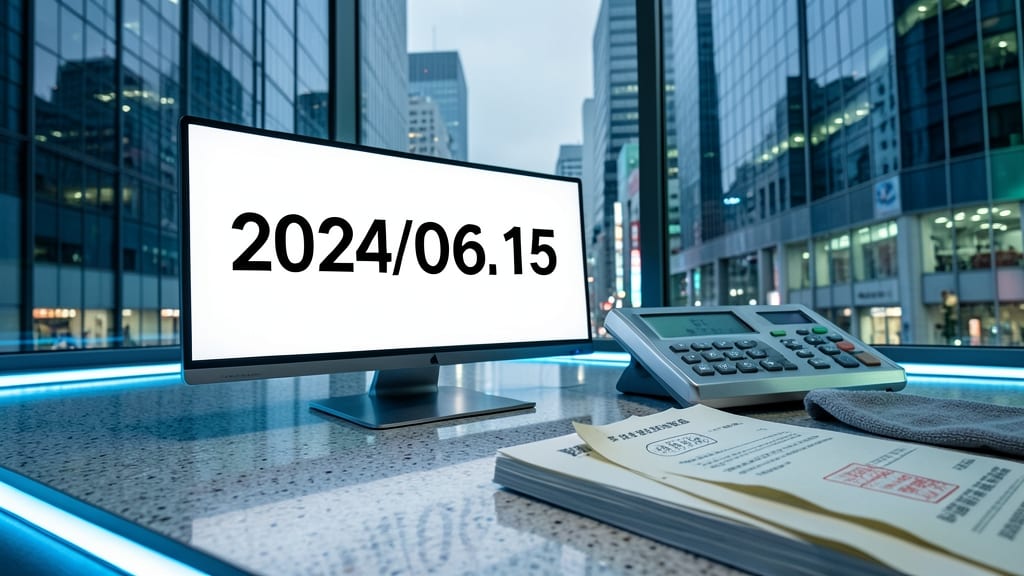
If you're working with financial systems in Japan or other Asian markets, the YYYY/MM/DD format isn’t just a preference—it’s a compliance necessity. Unlike Western formats, this ordering prioritizes the year first, reducing ambiguity in long-term calculations and regulatory reporting.
This format is deeply embedded in Japanese financial software, including ERP systems like SAP and Oracle, as well as Excel spreadsheets configured for Japanese locales. The year-first structure prevents misinterpretation when processing multi-year data, such as loan terms or tax filings, where dates like 2023/12/31 (December 31, 2023) are critical. Many Asian banks and trading platforms enforce this format to avoid costly errors in automated systems.
For developers and businesses operating in Asia, adopting YYYY/MM/DD ensures alignment with local regulations and avoids parsing errors in financial workflows. If you're integrating systems across regions, this format bridges the gap between Asian markets and global standards. ✨
SQL Date Format (YYYY-MM-DD HH:MM:SS)
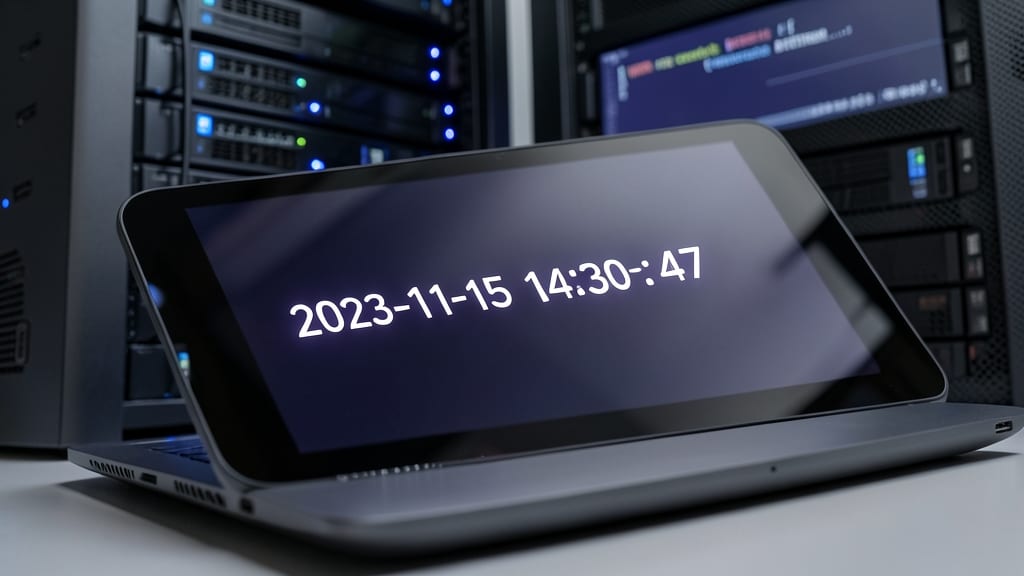
When your application relies on precise datetime tracking—like logging user activity or scheduling events—SQL’s standard format (YYYY-MM-DD HH:MM:SS) is the backbone of relational databases. Unlike other formats, this one combines date and time into a single, unambiguous string that databases like MySQL, PostgreSQL, and SQL Server natively support for sorting, filtering, and calculations.
The format’s strength lies in its consistency: no regional ambiguity (unlike MM/DD/YYYY vs. DD/MM/YYYY), and it includes seconds for granularity. For example, 2023-10-15 14:30:00 is universally parsed the same way across systems. Most SQL dialects also allow variations like YYYY-MM-DD or HH:MM:SS if you only need partial precision, but the full format is ideal for timestamp fields.
This is the go-to choice for developers building database-driven applications, especially when you need to join tables by time or analyze historical data. It’s also the default in ORMs like Django ORM and Laravel Eloquent, making it a safe bet for long-term projects. ✨
Natural Language Date (e.g., 'October 15, 2023')
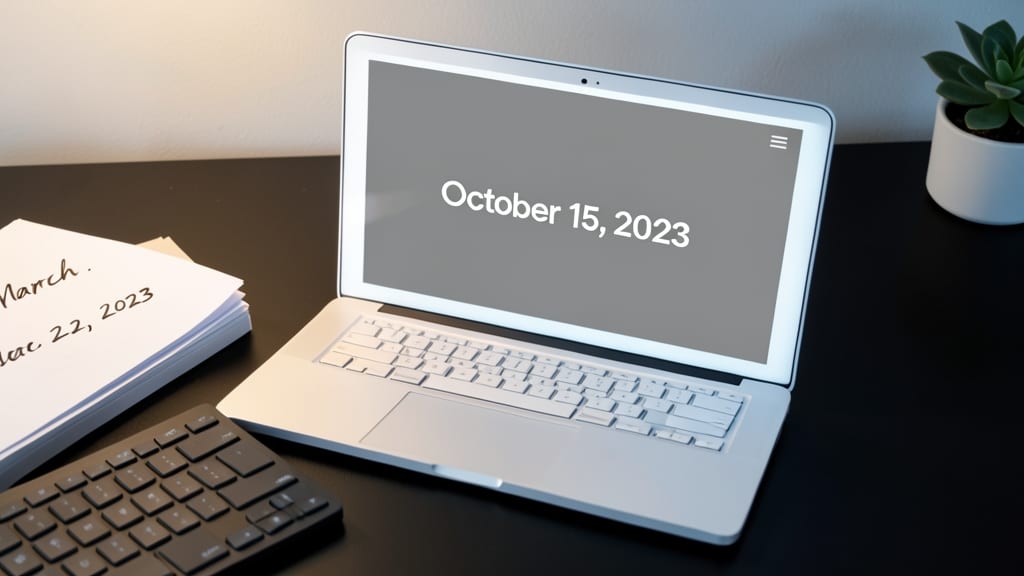
Tired of confusing date formats that trip up users or require extra parsing code? Natural language dates like "October 15, 2023" bridge the gap between human readability and machine processing—perfect for user interfaces and documentation.
This format combines the clarity of full month names with intuitive ordering, making it ideal for chatbots, help guides, and customer-facing apps. While not machine-native, libraries like Python's dateutil or JavaScript's moment.js handle parsing effortlessly. The trade-off? Slightly more storage space than numeric formats, but the readability boost often justifies it.
Best for non-technical users and documentation-heavy apps where clarity trumps strict parsing efficiency. ⚡