
Tip & Trick
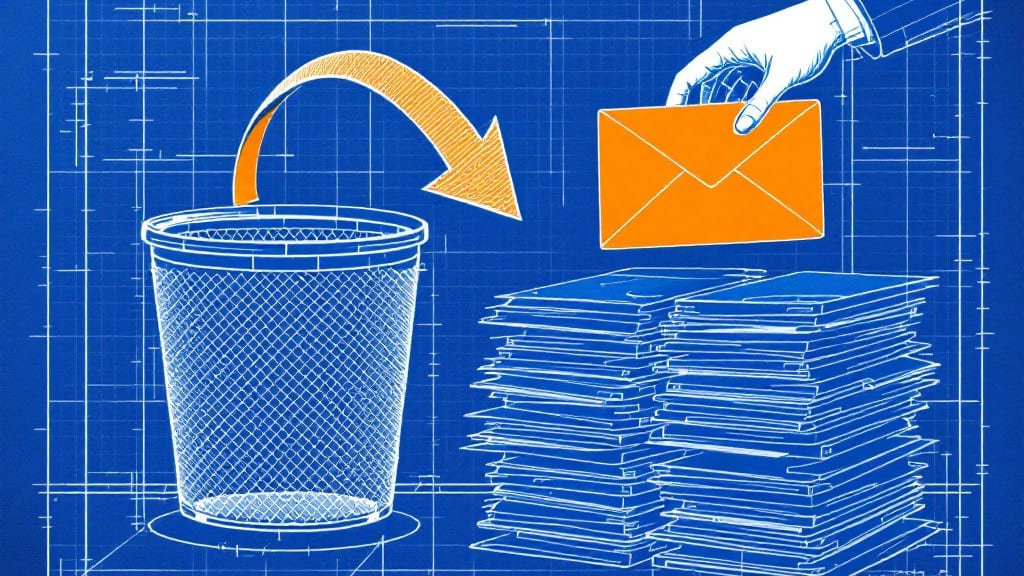
Frustrated by how often I need to remove my email from the spam list, I’m not alone—even my inbox gets buried under unwanted messages. That one-click "report as spam" can sometimes backfire, sending legitimate newsletters and updates straight to digital purgatory.
The good news? You can reverse it in seconds, no tech degree required.
Start with your email client—Gmail, Outlook, or Yahoo—where most spam filters live. A quick "not spam" click or unsubscribe tap usually fixes it instantly. For bulk senders or shady lists, you’ll need to dig deeper: unsubscribe links hide in plain sight, while phishing traps require extra caution.
I’ve pulled emails from spam jail in under 30 seconds using these exact steps.
If the problem keeps happening, your email’s reputation might need a tune-up. Adjusting sender filters or checking DNS records (like SPF) can stop future spam before it starts. Think of it like teaching your inbox to recognize your voice—once it learns, the junk mail disappears for good.
Here’s where it gets interesting: some spam comes from well-meaning but misconfigured services. A quick check of your subscriptions or a chat with your ISP might reveal the real culprit. Let’s get your inbox back to normal—permanently.
📚 In This Guide
- What you need
- Instructions
- Tips and common mistakes
- Wrapping up and next steps
What you need
- ● Email account access: Your username and password for the email service (Gmail, Outlook, Yahoo, etc.) you want to clean up.
- ● Internet connection: A stable Wi-Fi or mobile data connection to access your email and spam folders.
- ● Device: A computer, laptop, tablet, or smartphone with a web browser or email app installed.
- ● Spam emails: At least one (or more!) unwanted email in your spam or junk folder to practice the unsubscribe process.
- ● Email client software: Apps like Microsoft Outlook, Apple Mail, or Thunderbird for desktop users (if you prefer offline access).
- ● Browser extensions: Tools like uBlock Origin or SpamAssassin to block spam at the source.
- ● Password manager: A tool like LastPass or 1Password to securely store and auto-fill your email login details.
- ● Note-taking app: For jotting down sender names or keywords of persistent spammers (e.g., Notepad, Google Keep, or Evernote).
How to instantly unsubscribe from spam lists in 3 simple steps
Here's the straightforward process I use to clean up my inbox—no tech jargon, just direct action.
Locate the Unsubscribe Link in Your Inbox
Open your email client and navigate to the spam or junk folder where the unwanted messages are stored. Scan for the most recent email from the sender you want to remove. Most legitimate senders include an unsubscribe link in the footer of their emails, often labeled "Unsubscribe," "Manage Preferences," or "Stop Emails."
If you can't find the link, hover your cursor over the sender's name or email address—sometimes the unsubscribe option appears in a small dropdown menu. Pro tip: If the email appears to be from a major company, their unsubscribe process is usually straightforward. For suspicious senders, you may need to take additional steps to avoid future messages.
Click the Unsubscribe Link and Verify Your Request
Once you've located the unsubscribe link, click it to open a new browser tab or email interface. Some senders will redirect you to a webpage where you can confirm your request. Others will send an automated email asking you to click a verification link within 24 hours. Follow the instructions carefully—this step is critical to ensure your request is processed.
If you don’t receive a confirmation email within a few minutes, check your spam or junk folder again. Some email providers filter these messages automatically. If you still don’t see anything, try copying the unsubscribe link and pasting it into a new browser window to manually trigger the process.
Confirm Removal and Monitor Your Inbox
After completing the unsubscribe process, wait 24 to 48 hours before expecting results. Some senders process requests instantly, while others take a few days. During this time, continue checking your spam folder—some emails may slip through before the sender fully updates their records.
If you still receive emails after 48 hours, the sender may not honor unsubscribe requests. In that case, mark the emails as spam in your email client. Most providers, like Gmail or Outlook, will automatically filter future messages from that sender to your junk folder. For persistent spam, consider reporting the sender to your email provider for further action.
Optimize Your Email Settings for Better Filtering
To prevent future spam from overwhelming your inbox, take a moment to adjust your email settings. In Gmail, go to Settings > Filters and Blocked Addresses and create a custom filter to automatically send messages from known spam senders to your junk folder. In Outlook, use the Junk Email settings to set the filter to "High" to catch more unwanted messages.
Regularly review your spam folder—some legitimate emails may end up there by mistake. By staying proactive, you’ll keep your inbox clean and reduce the chance of missing important messages. This small effort saves time and frustration in the long run.
Tips & tricks for instant email unsubscribing
These proven strategies will help you navigate the unsubscribe process smoothly and avoid common pitfalls that keep spam emails lingering.
Verification Timing: The 24-hour window for clicking verification links is non-negotiable with most legitimate senders. Set a reminder on your phone or calendar immediately after submitting your request—this prevents missed opportunities that leave your email address still active in their system. I've seen cases where people forget and receive emails for weeks afterward.
Email Client Quirks: Different providers handle unsubscribe requests differently. In Gmail, try searching for "unsubscribe" in the search bar if you can't find the link—it highlights all unsubscribe options in your inbox. Outlook users should check the "Junk Email" folder specifically, as some senders move unsubscribe prompts there automatically. This targeted approach saves minutes of frustration.
Follow-Up Strategy: After the 48-hour waiting period, if you're still receiving emails, don't immediately mark them as spam. First, check if the sender requires manual confirmation through their website (some companies have this step buried in their preferences page). This extra verification often resolves the issue without needing to escalate to spam reporting.
Proactive Filtering: The custom filter setup in Step 4 works best when combined with specific keywords. For example, if you're unsubscribing from a retailer, create a filter that looks for their domain name (like "@company.com") combined with keywords like "promotion," "offer," or "newsletter." This catches messages that might slip through the unsubscribe system while keeping your inbox cleaner.
Pro Tips for Remove My Email From Spam List
- These proven strategies will help you navigate the unsubscribe process smoothly and avoid common pitfalls that keep spam emails lingering.
- Verification Timing: The 24-hour window for clicking verification links is non-negotiable with most legitimate senders.
- Email Client Quirks: Different providers handle unsubscribe requests differently.
Frequently asked questions
Got questions about cleaning up your inbox? We’ve got answers! Here are the most common concerns when trying to remove your email from spam lists—plus quick fixes to keep your inbox clutter-free.
Why am I still getting spam emails after unsubscribing?
Some senders ignore unsubscribe requests or use delayed processing. If emails persist, check your spam folder for hidden "unsubscribe" links (often at the bottom). Also, report the email as spam—this trains filters to block future messages.
How long does it take to remove my email from spam lists?
Most legitimate senders process requests within 24–48 hours. However, shady marketers may take weeks—or never comply. If you don’t see changes after 7 days, forward the email to your provider’s spam team (e.g., spam@att.net for AT&T users).
Can I remove my email from spam lists permanently?
No guarantees! While you can unsubscribe and block senders, some companies repurchase lists. To minimize future spam, use a dedicated email for sign-ups (like ProtonMail) or a temporary email for one-time registrations.
What if the "unsubscribe" link doesn’t work?
Try these fixes:
- Check your spam folder—some emails hide unsubscribe links there.
- Copy the sender’s email and reply with "unsubscribe" in the subject line.
- Use a third-party tool like Unroll.me or Clean Email to bulk-unsubscribe.
Is it safe to click "unsubscribe" in spam emails?
Generally yes, but proceed with caution! Some phishing emails mimic unsubscribe links to steal data. Always:
- Hover over the link to check the URL (should match the sender’s domain).
- Avoid clicking if the email feels too urgent or asks for personal info.
Wrapping up and next steps
You’ve got this! 🎉 Removing your email from spam lists is simpler than you think—just a few clicks can restore peace to your inbox. By following the steps above, you’ll reclaim control, reduce clutter, and keep your personal data safer.
Ready to take action? Start by checking your spam folder now! If you’re still stuck, bookmark this guide or share it with a friend—because every inbox deserves a clean slate.
Next step: Pick one method from the article and unsubscribe in seconds—your future self will thank you! 🚀